A local guide
The best neighborhoods in central Austin
An honest, even-handed map of where to live in the heart of Austin, from a specialist who works these blocks. No single neighborhood is best for everyone. Here is how to find yours.
Ask ten Austinites for the best central neighborhood and you will get ten answers, because they are answering different questions. The honest version depends on what you are optimizing for: walkability, schools, lot size, price, or the particular feeling of a street. This guide lays out the contenders and what each one is genuinely best at.
Full disclosure on where I stand: I specialize in Clarksville, so I will tell you plainly why it tops my list, and then give every other neighborhood its honest due, with a side-by-side if you want to go deeper.
The one I know best
Clarksville, 78703
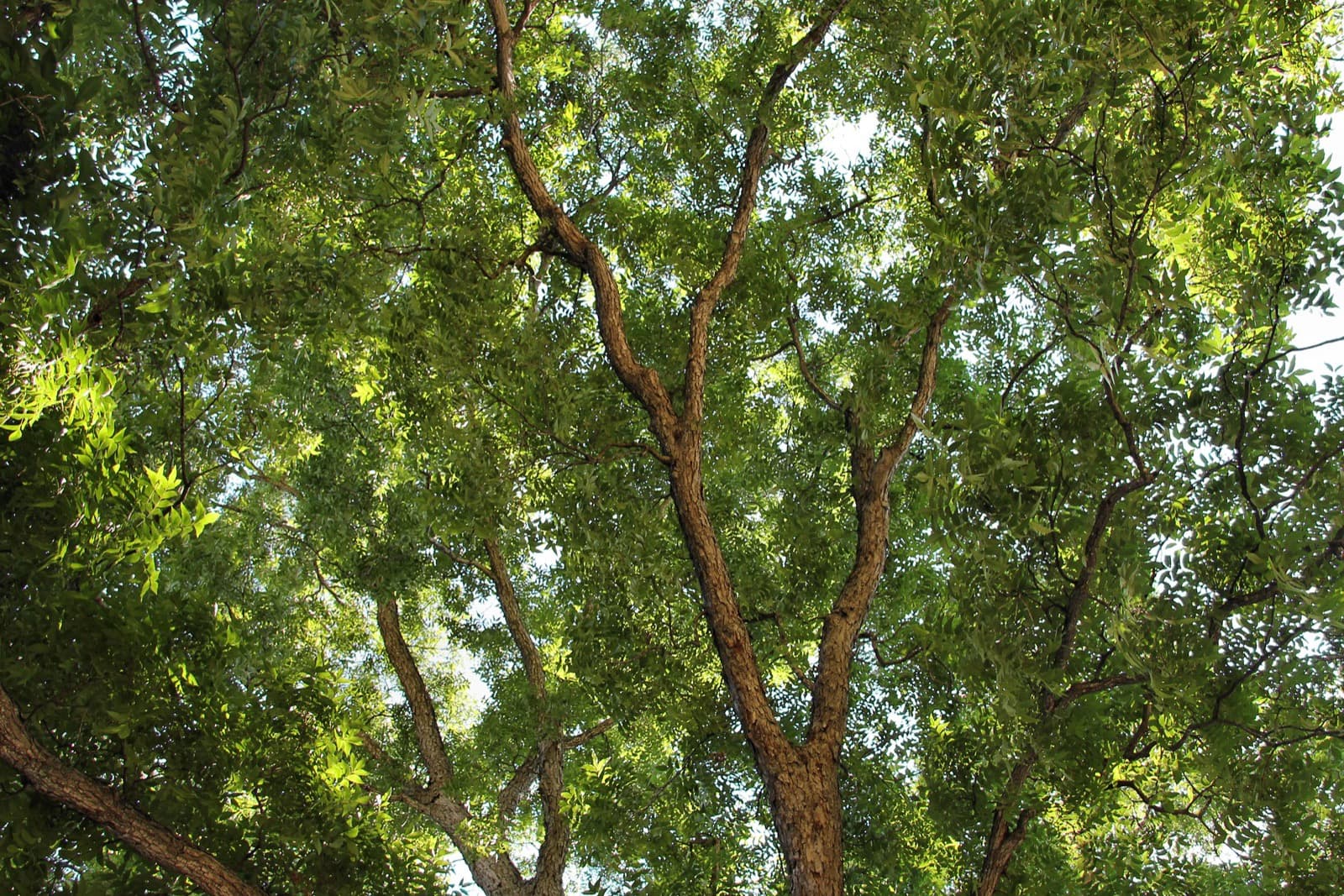
A freedmen's town founded in 1871, two miles west of downtown: walkable, tree-canopied, and built around the West Lynn corridor. It is the rare central neighborhood that pairs genuine historic character with the ability to walk to dinner, a grocery, and a park, and still see the skyline from the porch. Small, protected, and scarce, which is why it holds its value.
The other contenders
Every neighborhood its honest due
Each of these is excellent for the right buyer. Tap through for a full side-by-side with Clarksville on price, walkability, schools, and character.
Tarrytown
Tarrytown suits buyers who want more land, a quieter and greener setting, and proximity to Lake Austin, and who do not mind driving for daily errands.
Old Enfield
Old Enfield suits buyers seeking a larger estate home, more land, and a quieter, grander historic streetscape, often at a higher entry point.
Bryker Woods
Bryker Woods suits families who want a quieter, established residential street near strong schools and the central medical district, with a bit more everyday calm.
Downtown Austin
Downtown suits buyers who want full-service, lock-and-leave high-rise living with nightlife and the lake at their doorstep and no yard to maintain.
Zilker
Zilker suits buyers who orient their life around the park, Barton Springs, and the greenbelt, and want an active, outdoor-forward setting south of the river.
Hyde Park
Hyde Park suits buyers who want classic Austin bungalow charm, a strong sense of community near the university, often at a more accessible entry point.
Travis Heights
Travis Heights suits buyers drawn to South Congress energy, eclectic architecture, and a hilly, creek-laced setting south of the river.
Pemberton Heights
Pemberton Heights suits buyers who want a larger traditional home on a quiet, canopied street and value a more uniform, estate-scaled neighborhood.
West Lake Hills
West Lake Hills suits buyers who prioritize top-rated Eanes ISD schools, larger lots and privacy, and hill-country space, and do not mind driving for daily life.
Rosedale
Rosedale suits buyers who want a quiet, leafy, family-friendly central neighborhood of bungalows near the medical district, often at a more accessible price.
How to actually choose
Match the neighborhood to the question
If you want to walk everywhere, start with Clarksville, Hyde Park, or Travis Heights. If top-rated schools lead your list, West Lake Hills (Eanes) and the central Austin ISD neighborhoods deserve a hard look. If you want land and privacy, Tarrytown, Pemberton Heights, and West Lake Hills open up. For historic character, it is Clarksville, Old Enfield, and Hyde Park. And for the lowest entry price, Hyde Park and Rosedale tend to be friendlier than the 78703 core.
The honest truth is that the right answer is usually a single afternoon spent walking two or three of these with someone who knows the blocks. That is a walk I am glad to take with you.
Work with Luke
Narrowing down central Austin?
Tell Luke what matters most, walkability, schools, space, budget, and he will tell you honestly which central Austin neighborhoods fit, and help you buy in the right one.

Luke Allen
Licensed Texas REALTOR, TREC #788149
Austin Marketing + Development Group
Good to know
Central Austin neighborhoods, answered
- What are the best neighborhoods in central Austin?
- Central Austin's most sought-after neighborhoods include Clarksville, Old Enfield, Tarrytown, Pemberton Heights, and Bryker Woods in the 78703 area west of downtown, along with Hyde Park near the university, Zilker and Travis Heights south of the river, Rosedale to the north, and West Lake Hills across the lake. The right one depends on what you value: walkability, schools, lot size, price, or historic character.
- What is the best walkable neighborhood in central Austin?
- Clarksville is among the most walkable neighborhoods in west Austin. Built around the West Lynn dining corridor and two miles from downtown, it lets residents walk to coffee, dinner, a grocery, galleries, and Pease Park. Hyde Park and Travis Heights are other strong walkable options, each with its own local main street.
- Which central Austin neighborhood has the best historic character?
- Clarksville, founded in 1871 as a freedmen's town and listed on the National Register of Historic Places, and neighboring Old Enfield, with its grand early-20th-century estates, are the standouts for historic character in central Austin. Hyde Park, Austin's first planned suburb, is another for streetcar-era Victorian and Craftsman homes.
- Where do wealthy families live in central Austin?
- Affluent central Austin buyers cluster in Old West Austin (Clarksville, Old Enfield, Tarrytown, and Pemberton Heights, all 78703) for historic estates and walkability, and in West Lake Hills across the lake for larger lots, hill-country privacy, and the top-rated Eanes schools. Each offers a different version of living well.
Go deeper: all Clarksville neighborhood comparisons, or the Clarksville neighborhood guide.