Clarksville Guide
Clarksville Architecture: Bungalows, Cottages, and Modern Infill
Clarksville's housing stock reads like a timeline: freedmen's-era cottages, Craftsman bungalows, mid-century condos, and discreet modern infill. Knowing the styles, and the rules that govern them, is the difference between a smart purchase and a costly surprise.
Walk a single Clarksville block and you can read a century and a half of Austin in the facades. The neighborhood was never master-planned, so its architecture accumulated rather than arrived, which is exactly why it feels authentic. For buyers, the styles are not just aesthetic preferences; they signal age, construction quality, lot constraints, and how much latitude you will have to change a home.
Victorian-era cottages and hall-and-parlor homes
The oldest surviving homes are modest, human-scaled cottages, including hall-and-parlor houses like the Haskell House at 1703 and 1705 Waterston Avenue, built around 1875 to 1887. These are the structures most likely to carry historic significance and the most sensitive to alteration. They reward restoration over reinvention.
Craftsman bungalows
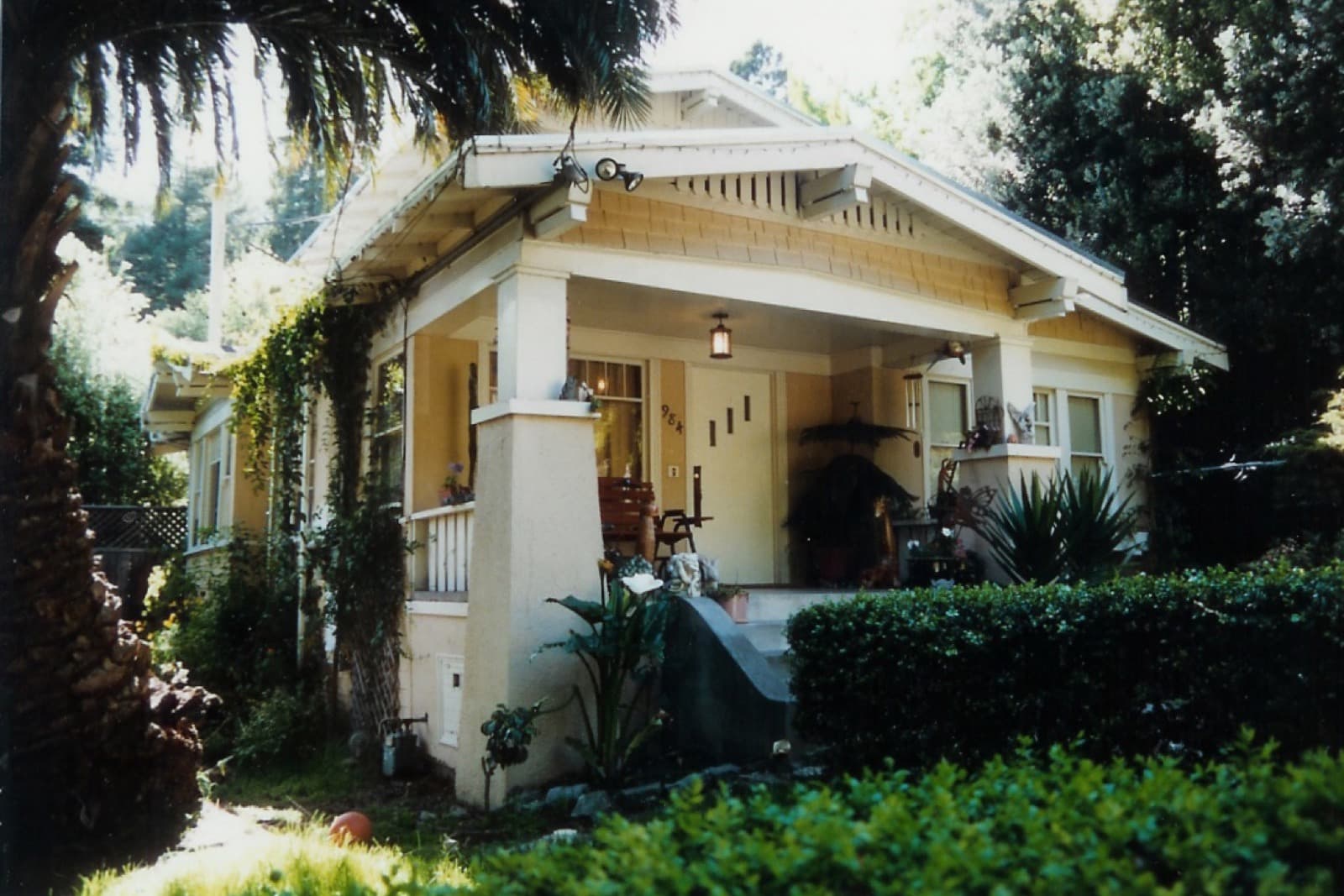
The bungalow is the signature Clarksville home: a low-slung Craftsman with a deep front porch, exposed rafter tails, tapered porch columns, and original longleaf pine or oak floors. They sit close to the street on small lots, which is part of their charm and part of their renovation challenge. Restored bungalows are among the most sought-after homes in the neighborhood.
Mid-century garden condos
Tucked between the houses are mid-century, garden-style condominium communities such as Escorial and Woodlawn Place. They are often the most accessible way to own in Clarksville and a smart entry point for buyers who value the location above all else.
Luxury modern infill and new construction
The newest layer is architect-led modern infill: white-oak interiors, steel windows, and clean massing set carefully behind the historic streetscape, plus boutique new-construction condominiums like The Belvedere and Westline. Good infill here is quiet. It respects the scale of its neighbors rather than shouting over them.
Curious about the new condo buildings?
See the buildingsThe rule that matters most: local landmark vs National Register
This is the single most important thing a Clarksville buyer can understand. The whole neighborhood is a National Register historic district, listed in 1976, but that status is largely honorific and does not, by itself, restrict what you do to a house.
What does restrict you is an individual City of Austin local historic landmark designation. Homes that carry one require Historic Landmark Commission review for exterior changes and demolition. Teardown and redevelopment economics, and the feasibility of a major remodel, hinge entirely on whether a specific address is locally designated. Two homes on the same block can have very different rights.
The practical takeaway: never assume. Run a designation check on the exact address before you plan a renovation or write an offer. It is a quick step that can save a buyer from a seven-figure misunderstanding, and it is part of the diligence a single-neighborhood specialist handles as a matter of course.
Good to know
Clarksville questions, answered
- What architectural styles are in Clarksville?
- Clarksville's housing stock mixes original and restored Victorian-era cottages, Craftsman bungalows, hall-and-parlor historic homes, mid-century garden-style condos, and luxury modern infill and new builds. Lots are generally small, which shapes both renovation and new construction.
- Can you tear down or remodel a home in Clarksville?
- It depends on the specific address. Homes with an individual City of Austin local historic landmark designation require Historic Landmark Commission review for exterior changes and demolition. Homes that only fall within the National Register district, without an individual local landmark designation, face fewer such restrictions. Always run a designation check on a specific address before planning a renovation or making an offer.
- What is the Haskell House?
- The Haskell House, built around 1875 to 1887 at 1703 and 1705 Waterston Avenue, is a surviving hall-and-parlor home and a City of Austin Local Historic Landmark, one of the neighborhood's most significant early structures.
Related
Keep exploring Clarksville
Work with Luke
Run a designation check before you offer
Whether a Clarksville home carries an individual City of Austin landmark designation changes everything about renovation and value. Luke pulls that before you write an offer.

Luke Allen
Licensed Texas REALTOR, TREC #788149
Austin Marketing + Development Group