Clarksville Insights
Clarksville Historic Landmark Rules: What Buyers Must Know
The single most expensive mistake a Clarksville buyer can make is assuming a home can be changed before confirming its designation. Here is what the rules actually mean.
In most of Austin, “historic” is a selling point and little more. In Clarksville, it can be a binding constraint that determines whether you can renovate, add on, or rebuild, and therefore what a property is actually worth to you. The catch is that the rules turn on the specific address, not the neighborhood. Two homes on the same block can carry very different obligations.
Two kinds of “historic,” very different consequences
The distinction every buyer needs to understand is between the National Register district and an individual City of Austin local historic landmark.
- National Register district (largely honorific). The Clarksville district was listed on the National Register of Historic Places in 1976. That listing is an honor and a recognition; on its own it does not generally stop an owner from altering or demolishing a private home.
- City of Austin local historic landmark (binding). A home with an individual local landmark designation is a different matter. Exterior changes and demolition generally require review by the City of Austin Historic Landmark Commission and a certificate of appropriateness. This is the designation that can prevent a teardown or limit a renovation.
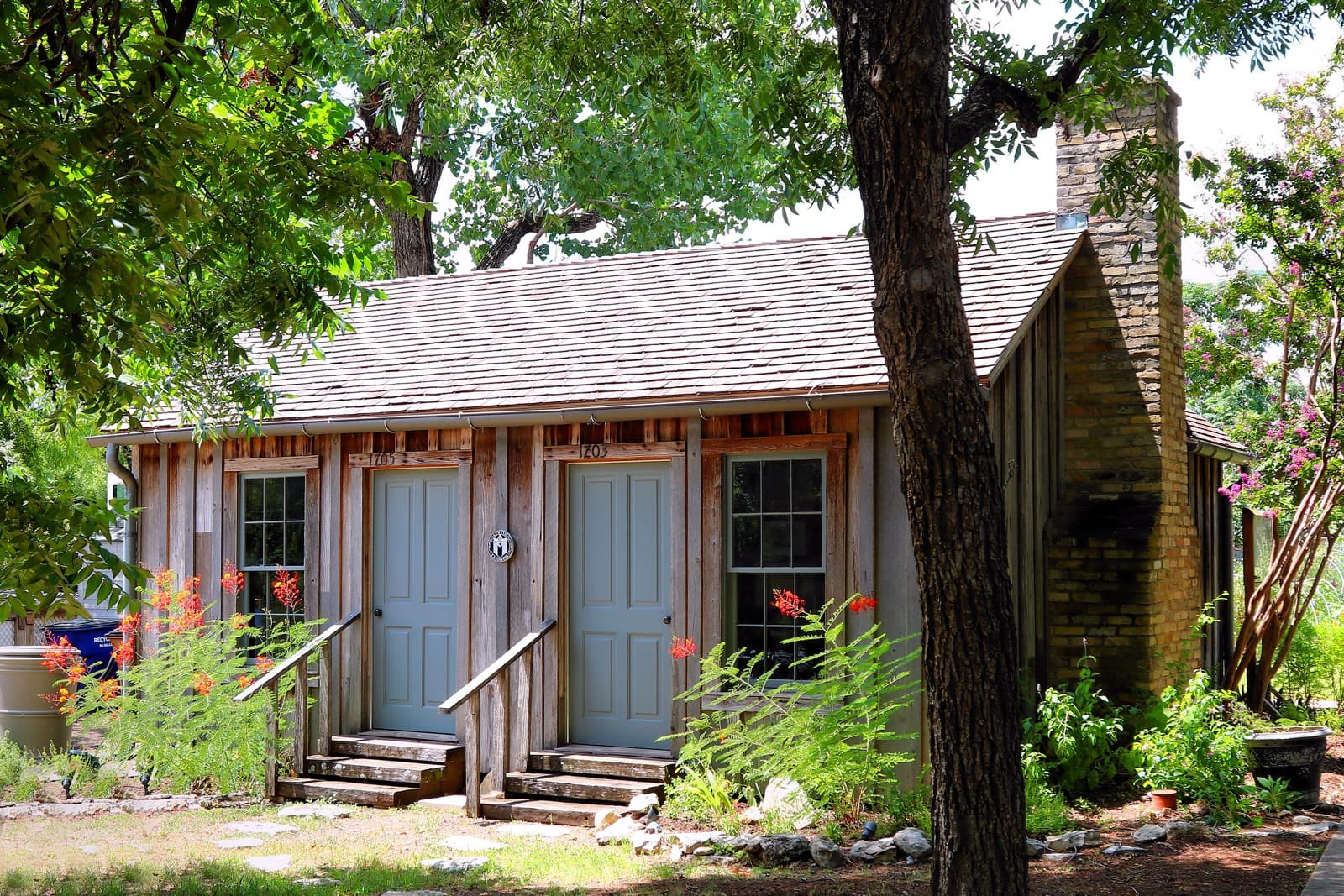
The surviving historic homes of Clarksville, like the Haskell House on Waterston Avenue, are landmark-protected for a reason. But many ordinary homes in the district are not individually designated. You cannot tell which is which by looking.
Why it changes the math
Teardown and redevelopment economics in Clarksville hinge almost entirely on this question. If you are buying with plans to scrape the lot and build new, or to add a second story, a local landmark designation can stop those plans cold, which changes the value of the dirt. If you are buying to preserve and restore, the protections may be exactly what you want. Either way, the designation is not a detail. It is the deal.
Not sure what a specific address allows?
Ask a specialistWhat a renovation actually involves
On a locally designated home, exterior alterations generally require Historic Landmark Commission review, while interior work is typically far less restricted. Beyond individual landmark status, parts of the area also sit within the Old West Austin Historic District and may carry neighborhood conservation or zoning overlays that shape what can be built. Because these layers stack and vary block by block, the only reliable answer comes from the City for your exact parcel.
The one step every buyer should take
Before you write an offer on any Clarksville home, run a designation check: confirm with the City of Austin whether the specific address carries an individual local historic landmark designation, what district and overlay rules apply, and what review any planned change would trigger. Do this during your option period at the latest, and ideally before you fall in love with a renovation that the property may never allow.
This is one of the clearest places where a Clarksville specialist earns their keep. Knowing which homes are protected, which are not, and what that means for your plans is exactly the kind of hyperlocal expertise that a general Austin agent, or a national portal, simply will not have. When you are ready, start with the buying guide.
This article is general information, not legal advice. Verify all designations, overlays, and permitting requirements with the City of Austin and qualified professionals for your specific property.
Good to know
Clarksville questions, answered
- Is Clarksville a historic district?
- Yes. The Clarksville district was added to the National Register of Historic Places in 1976, and it sits within the Old West Austin Historic District. National Register status is largely honorific, but it is different from an individual City of Austin local historic landmark, which carries binding review of exterior changes and demolition.
- Can you tear down a house in Clarksville?
- It depends entirely on the specific address. A home with an individual City of Austin local historic landmark designation requires Historic Landmark Commission review for demolition or exterior changes, which can prevent a teardown. A home with only National Register district status faces fewer binding restrictions. Always run a designation check and confirm zoning overlays with the City before relying on redevelopment economics.
- What are the rules for renovating a historic Clarksville home?
- If a home carries a local historic landmark designation, exterior alterations generally require review and a certificate of appropriateness from the City of Austin Historic Landmark Commission. Interior work is typically less restricted. Because rules turn on each property's specific designation and any neighborhood conservation overlay, verify the requirements for your exact address with the City before you plan a renovation or make an offer.
Related
Keep exploring Clarksville
Work with Luke
Run a designation check before you offer
Whether you are years from a move or ready this season, Luke Allen answers Clarksville questions personally: which blocks fit your life, what a specific home is really worth, and when the right listing is coming.

Luke Allen
Licensed Texas REALTOR, TREC #788149
Austin Marketing + Development Group